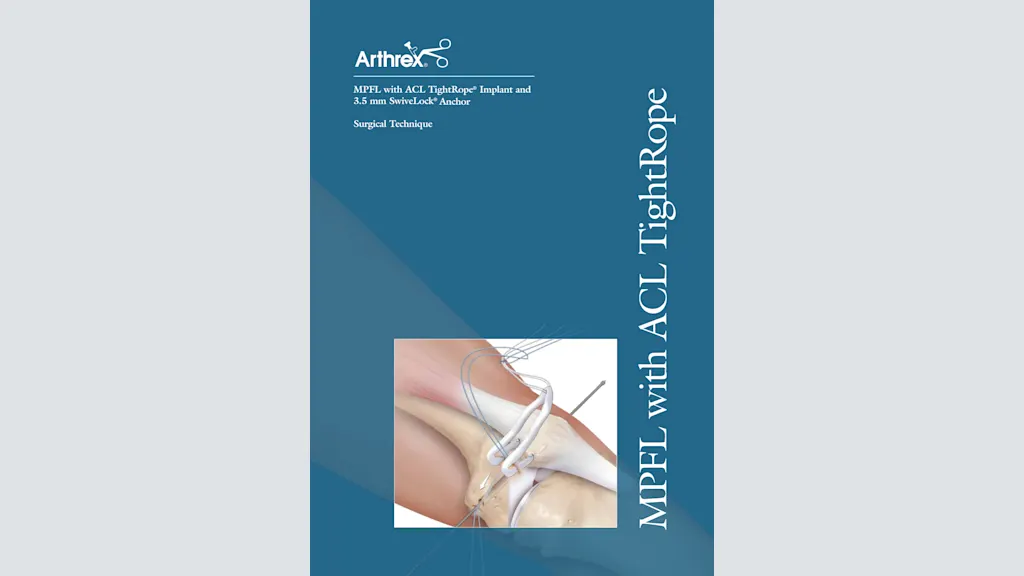
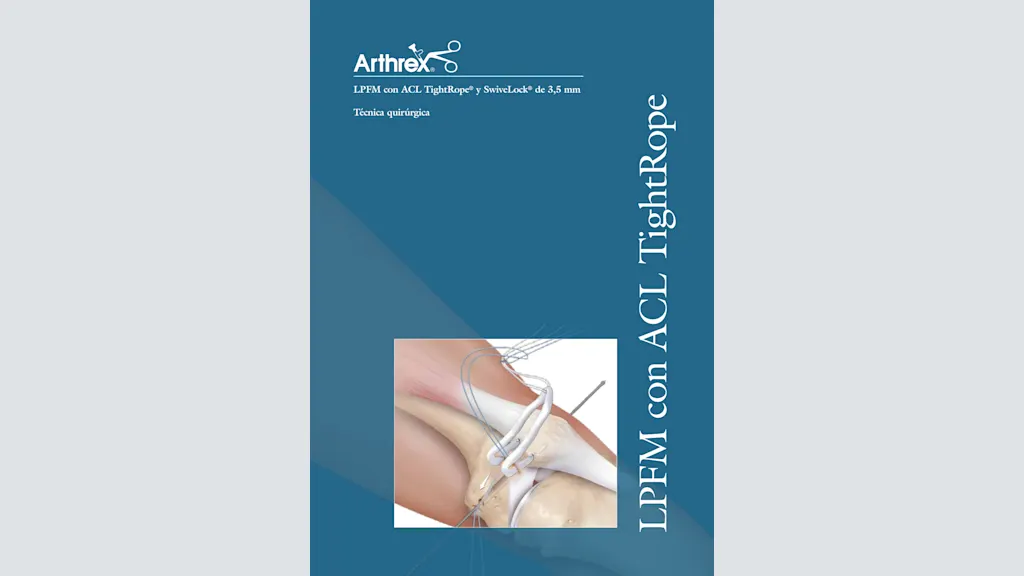
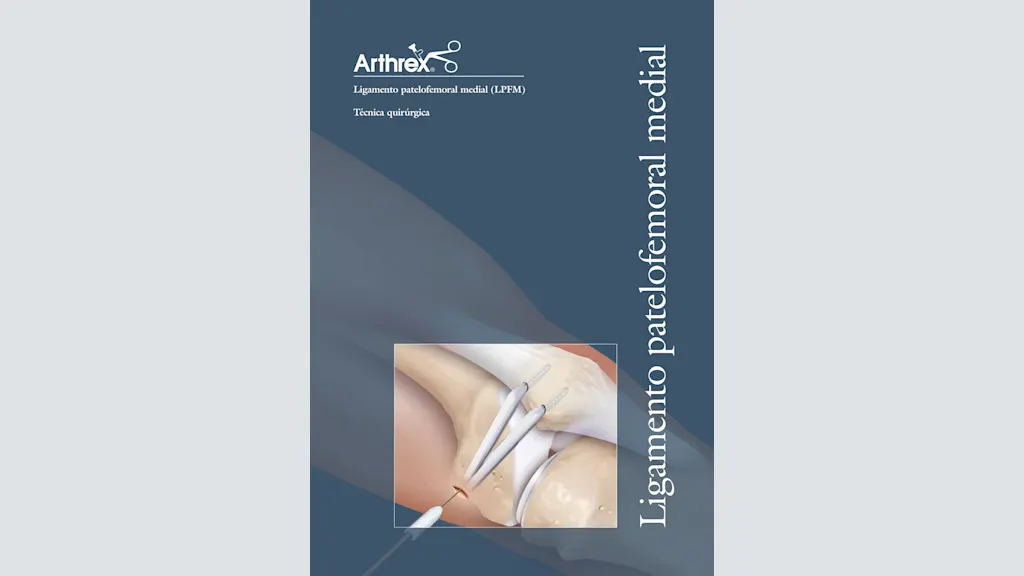
MPFL Reconstruction

The medial patellofemoral complex, consisting of the medial patellofemoral ligament (MPFL) and the medial patellotibial ligament, is the main passive stabilizer of the patellofemoral joint. Studies have demonstrated that MPFL rupture is the primary pathological consequence of patellar dislocation1 and that the MPFL is an important passive restraint against patellofemoral instability (PFI) and lateral patellar displacement.1 In response, MPFL reconstruction has become a widely accepted technique for restoration of patellofemoral stability, with promising clinical results.2

What Options Are Available for MPFL Reconstruction?

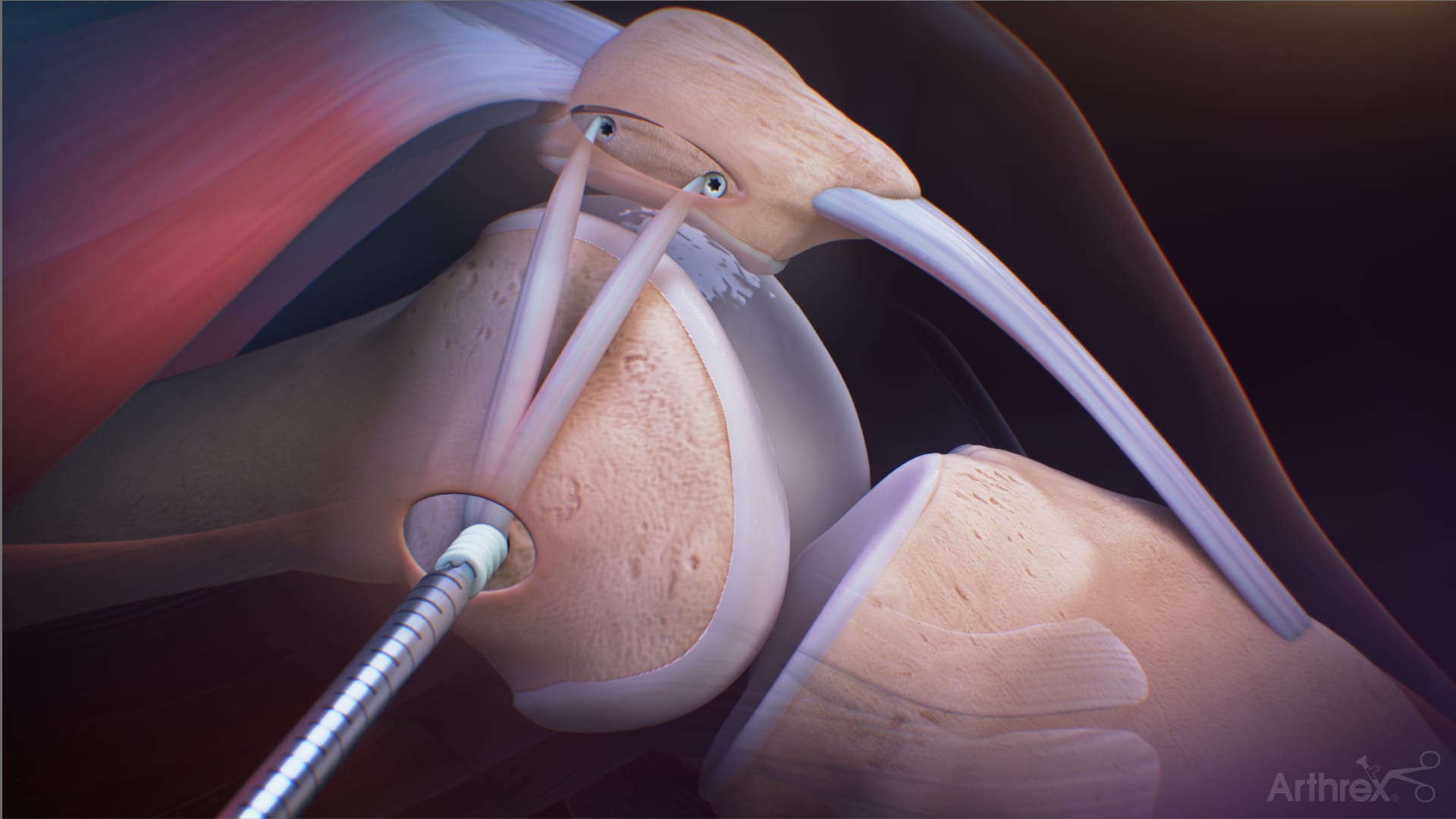
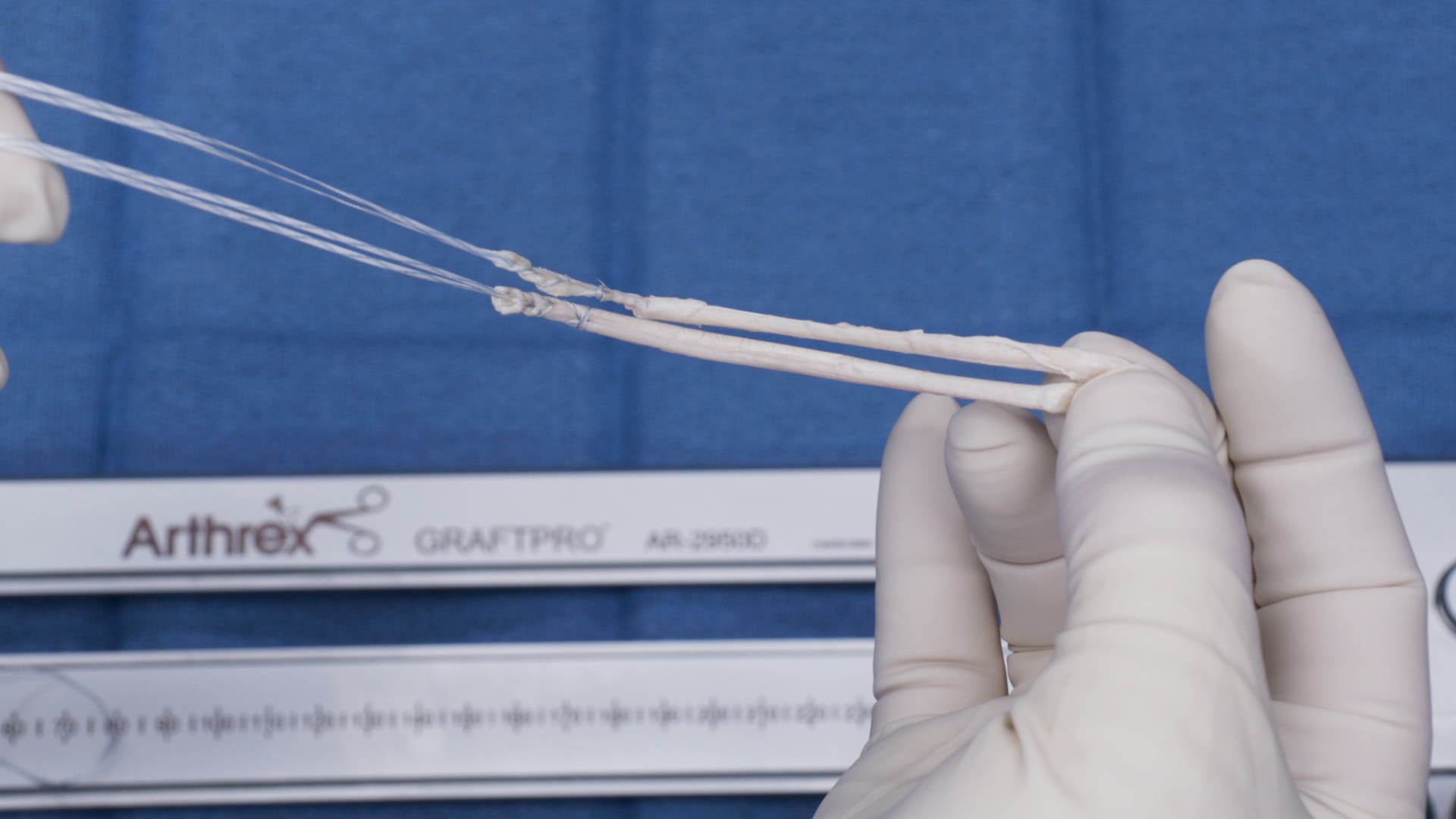
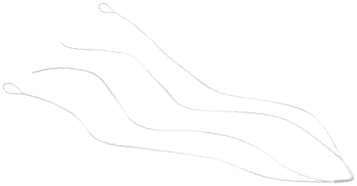
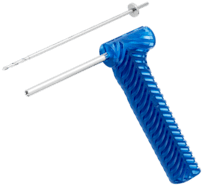
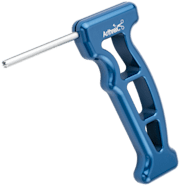
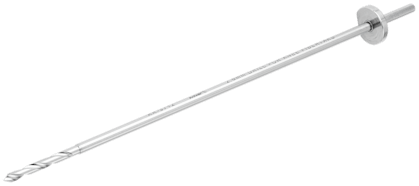
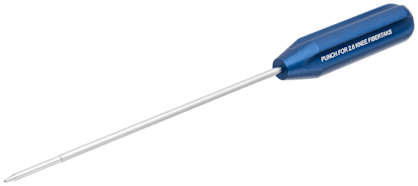
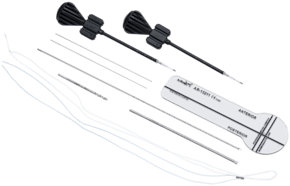
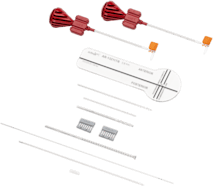
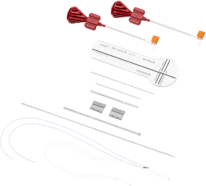
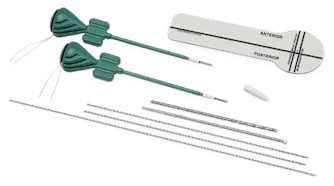
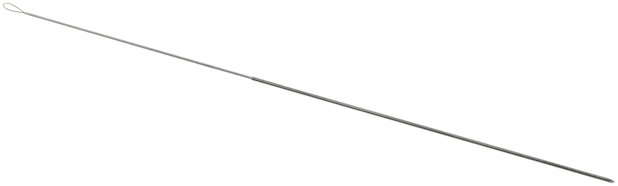
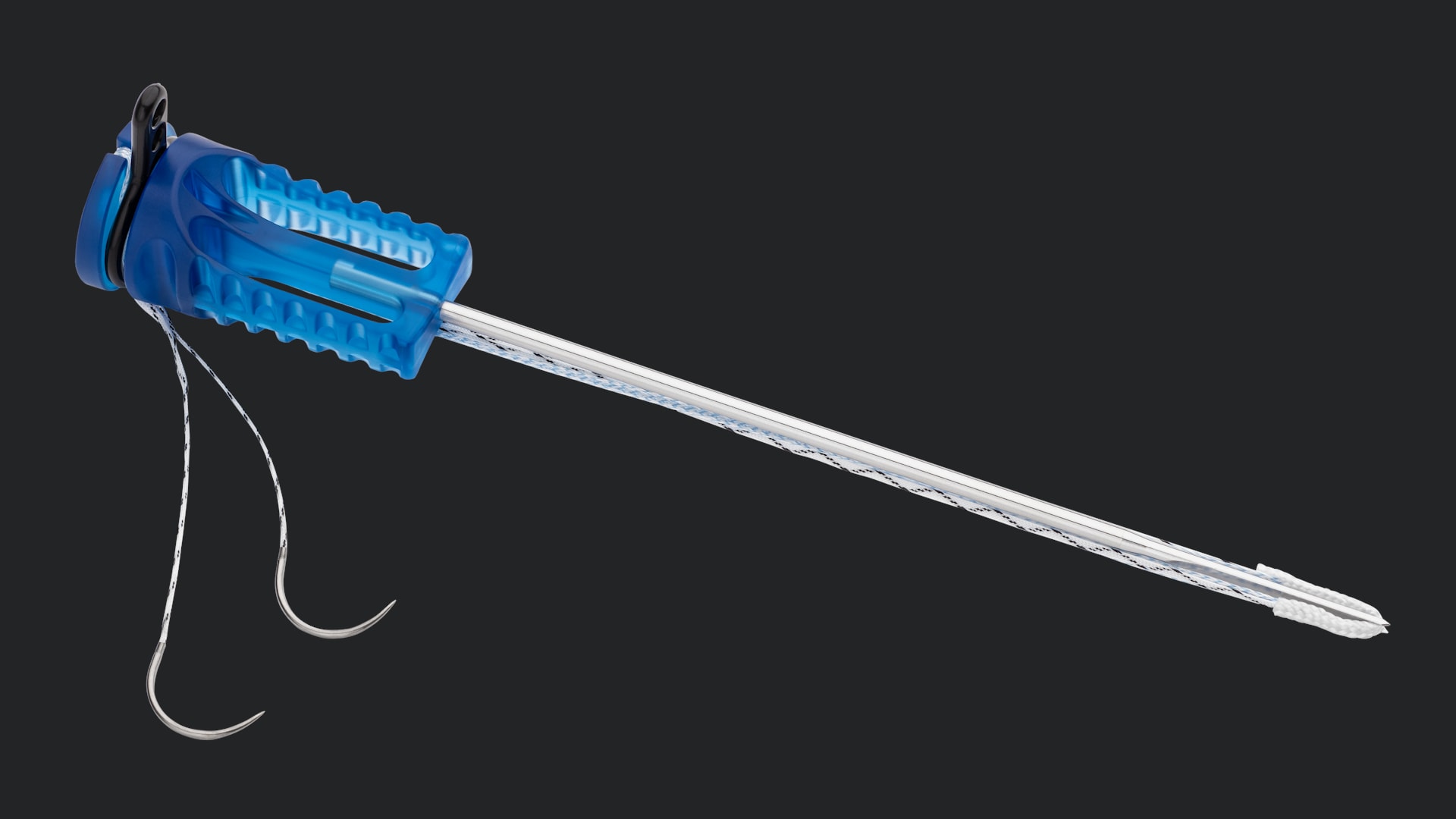
Three comprehensive MPFL onlay implant systems are available for patellar onlay MPFL reconstruction. All 3 kits feature hybrid Knee FiberTak® anchors for patellar graft fixation and the choice of a BioComposite FastThread™ interference screw, a FiberTag® TightRope® II PF implant, or a third hybrid Knee FiberTak anchor for femoral fixation. Each of these kits also includes a disposable Knee FiberTak patella ratcheting guide to streamline patellar anchor implantation, as well as all sutures, drills, reamers, and guides needed for the procedure.

Why Use an Onlay MPFL Technique?

In published peer-reviewed biomechanical research, all-suture Knee FiberTak anchors have demonstrated similar time-zero cyclic elongation to interference screw fixation with stiffness and ultimate load to failure significantly greater than the native MPFL.3 Clinical peer-reviewed research has shown onlay fixation to be associated with lower complication and fracture rates than socket-based fixation, with comparable redislocation rates and PROMs.4

How Can MPFL Reconstruction Complications Be Avoided?

Because a nonanatomic MPFL reconstruction can lead to nonphysiologic patellofemoral loads and kinematics,5 the goal of surgical intervention must be an anatomic reconstruction.

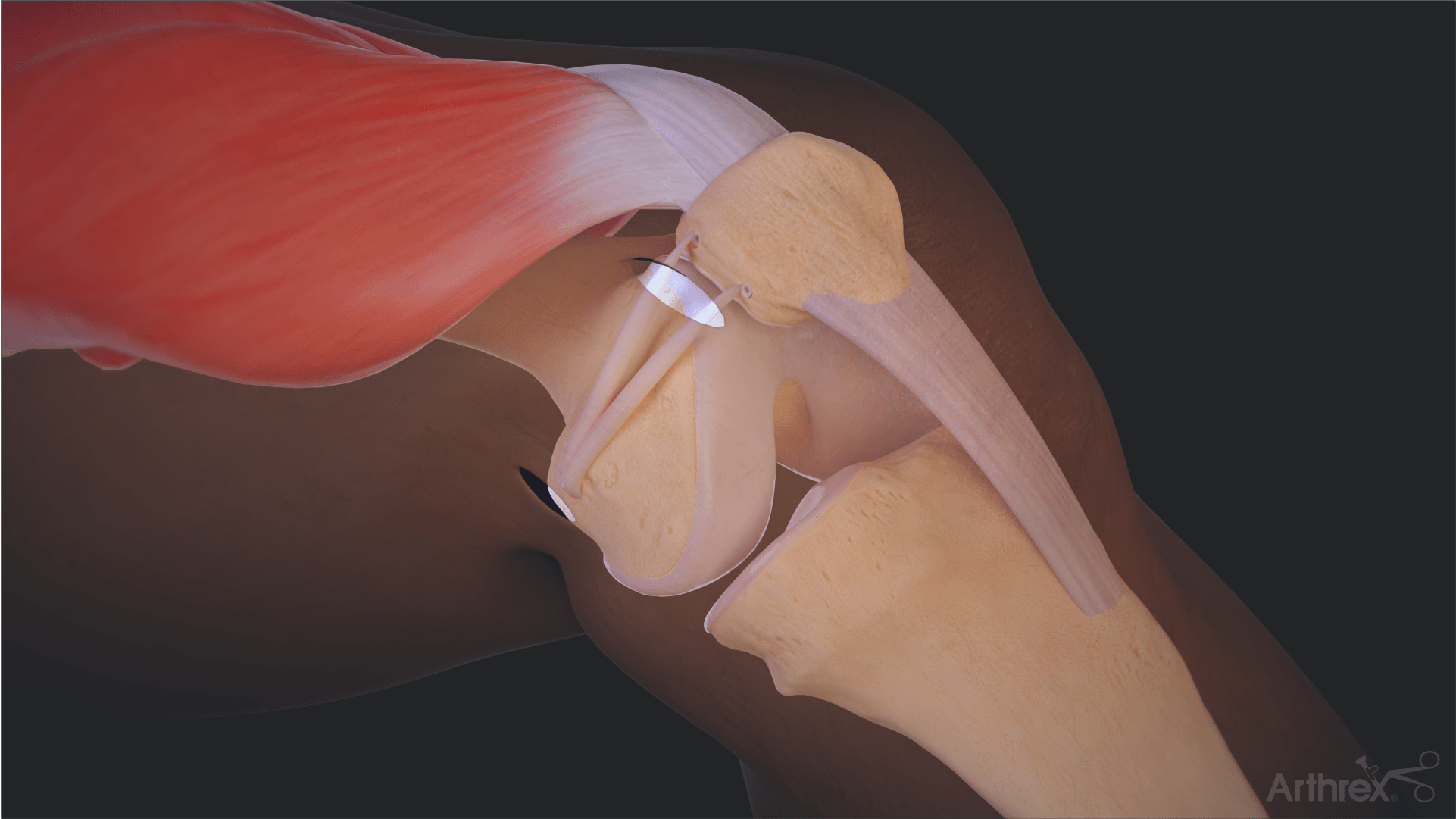
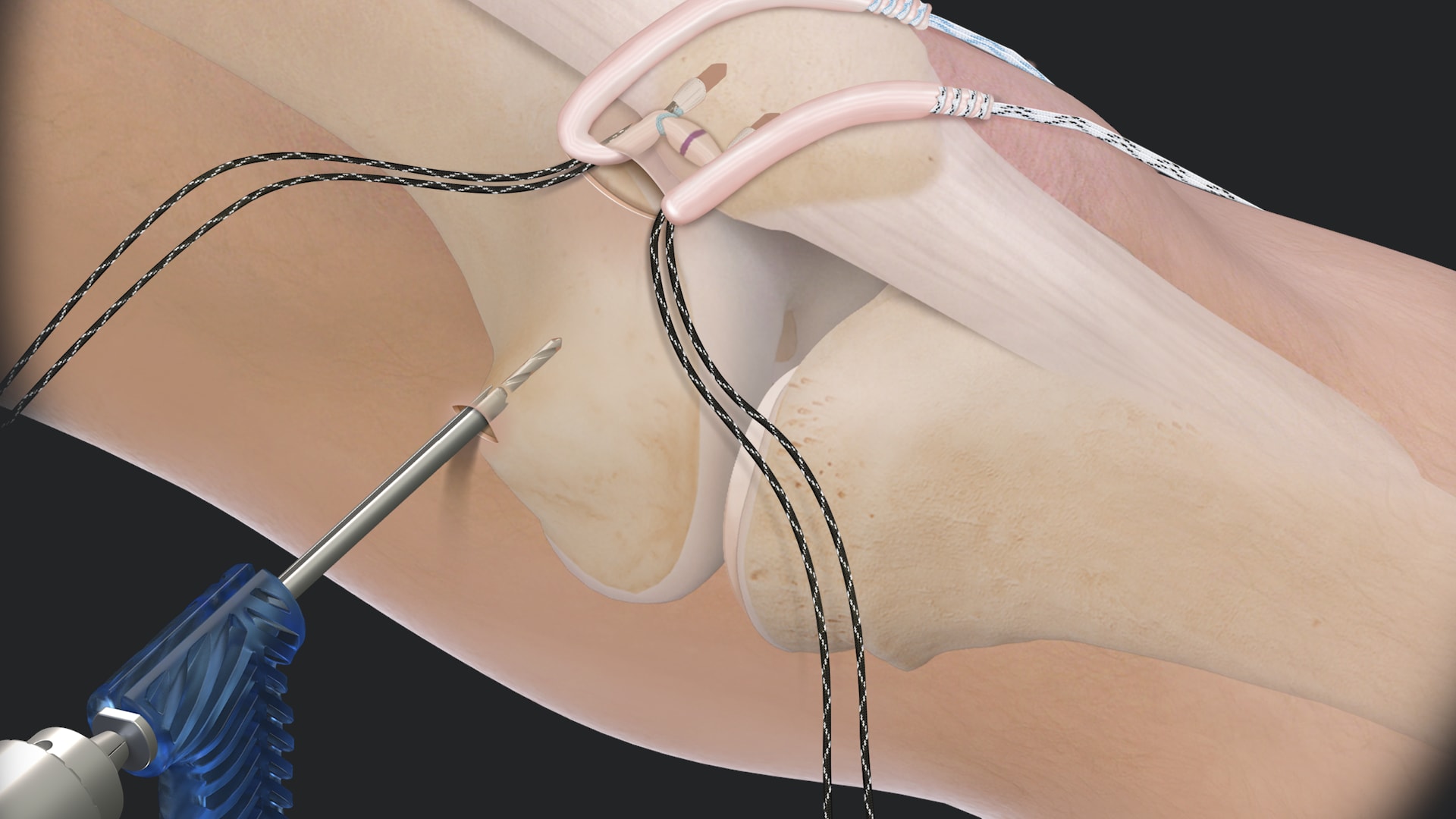
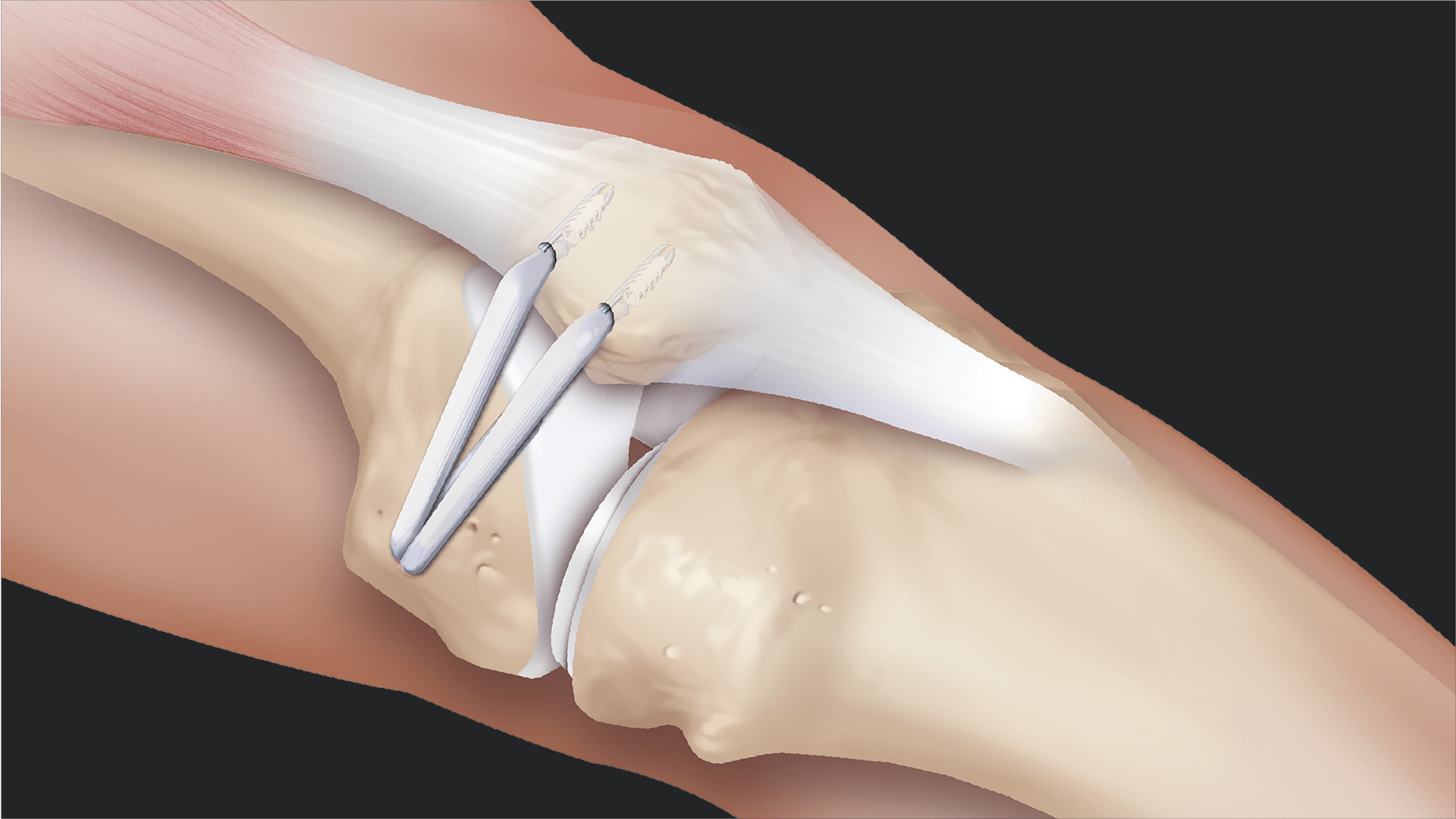
Multiple studies have evaluated the femoral insertion of the MPFL. Based on these anatomic,6 biomechanical,7 and radiologic8 findings, it is now possible to avoid the complications of increased patellofemoral pressure that are associated with nonanatomic (too anterior/proximal)5 fixation of the graft. The anatomic double-bundle MPFL reconstruction technique replicates the native shape of the MPFL and maintains physiologic patellofemoral mechanics throughout flexion and extension, minimizing postoperative instability. The technique, if accomplished anatomically with direct fixation, may also provide for more aggressive rehabilitation protocols and earlier return to activity.1

An important determinant of a successful outcome of MPFL reconstruction is the proper position of the femoral fixation of the graft, and the anatomic double-bundle MPFL reconstruction technique incorporates a femoral template to ensure proper placement of the graft in the femur. This position provides a static fixation point that equalizes the tension across the graft in flexion and extension, thus minimizing the stresses across the patellofemoral joint.

References

1. Schöttle PB, Hensler D, Imhoff AB. Anatomical double-bundle MPFL reconstruction with an aperture fixation. Knee Surg Sports Traumatol Arthrosc. 2010;18(2):147-151. doi:10.1007/s00167-009-0868-z

2. Nomura E, Inoue M. Surgical technique and rationale for medial patellofemoral ligament reconstruction for recurrent patellar dislocation. Arthroscopy. 2003;19(5):E47. doi:10.1053/jars.2003.50167

3. Smith BL, Bedi A, Hauck OL, Wijdicks CA, Riboh JC. All-suture anchor onlay fixation for medial patellofemoral ligament reconstruction: a biomechanical comparison of fixation constructs. Orthop J Sports Med. 2024;12(11):23259671241294011. doi:10.1177/23259671241294011

4. Desai VS, Tagliero AJ, Parkes CW, et al. Systematic review of medial patellofemoral ligament reconstruction techniques: comparison of patellar bone socket and cortical surface fixation techniques. Arthroscopy. 2019;35(5):1618-1628. doi:10.1016/j.arthro.2018.10.150

5. Amis AA, Firer P, Mountney J, Senavongse W, Thomas NP. Anatomy and biomechanics of the medial patellofemoral ligament. Knee. 2003;10(3):215-220. doi:10.1016/ s0968-0160(03)00006-1

6. Desio SM, Burks RT, Bachus KN. Soft tissue restraints to lateral patellar translation in the human knee. Am J Sports Med. 1998;26(1):59-65. doi:10.1177/036354659802600 12701

7. Schöttle P, Schmeling A, Romero J, Weiler A. Anatomical reconstruction of the medial patellofemoral ligament using a free gracilis autograft. Arch Orthop Trauma Surg. 2009;129(3):305-309. doi:10.1007/s00402-008-0712-9

8. Schöttle PB, Schmeling A, Rosenstiel N, Weiler A. Radiographic landmarks for femoral tunnel placement in medial patellofemoral ligament reconstruction. Am J Sports Med. 2007;35(5):801-804. doi:10.1177/0363546506296415

View More

The medial patellofemoral complex, consisting of the medial patellofemoral ligament (MPFL) and the medial patellotibial ligament, is the main passive stabilizer of the patellofemoral joint. Studies have demonstrated that MPFL rupture is the primary pathological consequence of patellar dislocation1 and that the MPFL is an important passive restraint against patellofemoral instability (PFI) and lateral patellar displacement.1 In response, MPFL reconstruction has become a widely accepted technique for restoration of patellofemoral stability, with promising clinical results.2

What Options Are Available for MPFL Reconstruction?

Three comprehensive MPFL onlay implant systems are available for patellar onlay MPFL reconstruction. All 3 kits feature hybrid Knee FiberTak® anchors for patellar graft fixation and the choice of a BioComposite FastThread™ interference screw, a FiberTag® TightRope® II PF implant, or a third hybrid Knee FiberTak anchor for femoral fixation. Each of these kits also includes a disposable Knee FiberTak patella ratcheting guide to streamline patellar anchor implantation, as well as all sutures, drills, reamers, and guides needed for the procedure.

Why Use an Onlay MPFL Technique?

In published peer-reviewed biomechanical research, all-suture Knee FiberTak anchors have demonstrated similar time-zero cyclic elongation to interference screw fixation with stiffness and ultimate load to failure significantly greater than the native MPFL.3 Clinical peer-reviewed research has shown onlay fixation to be associated with lower complication and fracture rates than socket-based fixation, with comparable redislocation rates and PROMs.4

How Can MPFL Reconstruction Complications Be Avoided?

Because a nonanatomic MPFL reconstruction can lead to nonphysiologic patellofemoral loads and kinematics,5 the goal of surgical intervention must be an anatomic reconstruction.

Multiple studies have evaluated the femoral insertion of the MPFL. Based on these anatomic,6 biomechanical,7 and radiologic8 findings, it is now possible to avoid the complications of increased patellofemoral pressure that are associated with nonanatomic (too anterior/proximal)5 fixation of the graft. The anatomic double-bundle MPFL reconstruction technique replicates the native shape of the MPFL and maintains physiologic patellofemoral mechanics throughout flexion and extension, minimizing postoperative instability. The technique, if accomplished anatomically with direct fixation, may also provide for more aggressive rehabilitation protocols and earlier return to activity.1

An important determinant of a successful outcome of MPFL reconstruction is the proper position of the femoral fixation of the graft, and the anatomic double-bundle MPFL reconstruction technique incorporates a femoral template to ensure proper placement of the graft in the femur. This position provides a static fixation point that equalizes the tension across the graft in flexion and extension, thus minimizing the stresses across the patellofemoral joint.

References

1. Schöttle PB, Hensler D, Imhoff AB. Anatomical double-bundle MPFL reconstruction with an aperture fixation. Knee Surg Sports Traumatol Arthrosc. 2010;18(2):147-151. doi:10.1007/s00167-009-0868-z

2. Nomura E, Inoue M. Surgical technique and rationale for medial patellofemoral ligament reconstruction for recurrent patellar dislocation. Arthroscopy. 2003;19(5):E47. doi:10.1053/jars.2003.50167

3. Smith BL, Bedi A, Hauck OL, Wijdicks CA, Riboh JC. All-suture anchor onlay fixation for medial patellofemoral ligament reconstruction: a biomechanical comparison of fixation constructs. Orthop J Sports Med. 2024;12(11):23259671241294011. doi:10.1177/23259671241294011

4. Desai VS, Tagliero AJ, Parkes CW, et al. Systematic review of medial patellofemoral ligament reconstruction techniques: comparison of patellar bone socket and cortical surface fixation techniques. Arthroscopy. 2019;35(5):1618-1628. doi:10.1016/j.arthro.2018.10.150

5. Amis AA, Firer P, Mountney J, Senavongse W, Thomas NP. Anatomy and biomechanics of the medial patellofemoral ligament. Knee. 2003;10(3):215-220. doi:10.1016/ s0968-0160(03)00006-1

6. Desio SM, Burks RT, Bachus KN. Soft tissue restraints to lateral patellar translation in the human knee. Am J Sports Med. 1998;26(1):59-65. doi:10.1177/036354659802600 12701

7. Schöttle P, Schmeling A, Romero J, Weiler A. Anatomical reconstruction of the medial patellofemoral ligament using a free gracilis autograft. Arch Orthop Trauma Surg. 2009;129(3):305-309. doi:10.1007/s00402-008-0712-9

8. Schöttle PB, Schmeling A, Rosenstiel N, Weiler A. Radiographic landmarks for femoral tunnel placement in medial patellofemoral ligament reconstruction. Am J Sports Med. 2007;35(5):801-804. doi:10.1177/0363546506296415

View More

Educational Resources and Products

Onlay MPFL Reconstruction With Hybrid Knee FiberTak® Anchors and a FastThread™ Interference Screw

Surgical Technique Animations | 04:08 | English | 12/30/2025 | AN1-000769-en-US A

MPFL Reconstruction Using the Onlay MPFL Implant System With the FastThread™ Interference Screw

Daryl C. Osbahr, MD
Surgical Technique Videos | 14:27 | English | 12/30/2025 | VID1-008120-en-US A
Inlay vs Onlay for Knee Repair Surgery: What Does the Data Tell Us?
Asheesh Bedi, MD
Case Presentation Videos | 26:15 | English | 01/28/2025 | VID1-006899-en-US C
All-Onlay MPFL Reconstruction
Aaron J. Krych, MD
Surgical Technique Videos | 16:22 | English | 01/08/2026 | VID1-008755-en-US A
MPFL Reconstruction With Knee FiberTak®  Anchors and a BioComposite FastThread™ Interference Screw
MPFL Reconstruction With Knee FiberTak® Anchors and a BioComposite FastThread™ Interference Screw
Surgical Technique Guides | English | 12/30/2025 | LT1-000341-en-US A
All-Epiphyseal, All-Onlay MPFL Reconstruction Using Knee FiberTak® Anchors
Jonathan Riboh, MD
Surgical Technique Videos | 21:22 | English | 08/02/2023 | VID1-003962-en-US A
Videos
(27)
arrow_drop_down
Videos
Documents
(10)
arrow_drop_down
Documents
English
(37)
arrow_drop_down
Languages

Surgical Technique Videos (16)

All-Onlay MPFL Reconstruction
Aaron J. Krych, MD
16:22 | English | 01/08/2026 | VID1-008755-en-US A
Patellar Onlay Technique With Suspensory Femoral Fixation for MPFL Reconstruction
J. Lee Pace, MD
15:04 | English | 12/22/2025 | VID1-007719-en-US A
MPFL Reconstruction With the RT TightRope® SB Implant
Seth L. Sherman, MD
32:43 | English | 10/23/2025 | VID1-007514-en-US A
All-Onlay MPFL Reconstruction Using Double Knotless Knee FiberTak® Anchors
Zachary S. Stinson, MD
16:55 | English | 06/17/2025 | VID1-006674-en-US B
BioComposite SwiveLock® Anchors and BioComposite FastThread™ Interference Screw
Patrick A. Smith, MD
11:20 | English | 04/23/2025 | VID1-001334-en-US A
Onlay MPFL Using Knee FiberTak® Hybrid Anchors
Gautam P. Yagnik, MD
13:35 | English | 03/07/2025 | VID1-003871-en-US B
MPFL Repair Using Knee FiberTak® Anchors and the InternalBrace™ Technique
Jeffrey Guy, MD
10:49 | English | 06/14/2024 | VID1-006348-en-US B
All-Epiphyseal, All-Onlay MPFL Reconstruction Using Knee FiberTak® Anchors
Jonathan Riboh, MD
Surgical Technique Videos | 21:22 | English | 08/02/2023 | VID1-003962-en-US A
MPFL Repair Using the InternalBrace™ Technique With Knee FiberTak® and SwiveLock® Anchors
Neal ElAttrache, MD
Surgical Technique Videos | 11:51 | English | 06/22/2023 | VID1-003817-en-US C
Onlay MPFL Reconstruction Using Hybrid Knee FiberTak® Anchors and a TightRope® II RT Implant
J. Lee Pace, MD
Surgical Technique Videos | 10:27 | English | 06/22/2023 | VID1-003943-en-US A
All-Onlay MPFL Using Hybrid Knotless Knee FiberTak® Anchors
Asheesh Bedi, MD
Surgical Technique Videos | 16:29 | English | 04/25/2023 | VID1-003856-en-US A
MPFL Reconstruction Using 3.9 mm BioComposite SwiveLock® Anchors and ACL TightRope® Implant
Thomas M. DeBerardino, MD
Surgical Technique Videos | 19:37 | English | 12/30/2020 | VID1-001857-en-US A
Tibial Tubercle Osteotomy with Anteromedialization (AMZ) and MPFL Reconstruction
Eric J. Strauss, MD
Surgical Technique Videos | 10:41 | English | 04/12/2017 | VID1-00268-EN B
MPFL Rekonstruktion
Philip Schöttle, MD, PhD
Surgical Technique Videos | 10:38 | German | 05/20/2009 | DVD-2003G A
MPFL Reconstruction
Philip Schöttle, MD, PhD
Surgical Technique Videos | 10:06 | English | 05/20/2009 | DVD-2003 A

Surgical Technique Animations (6)


Surgical Technique Guides (8)


Brochures (1)

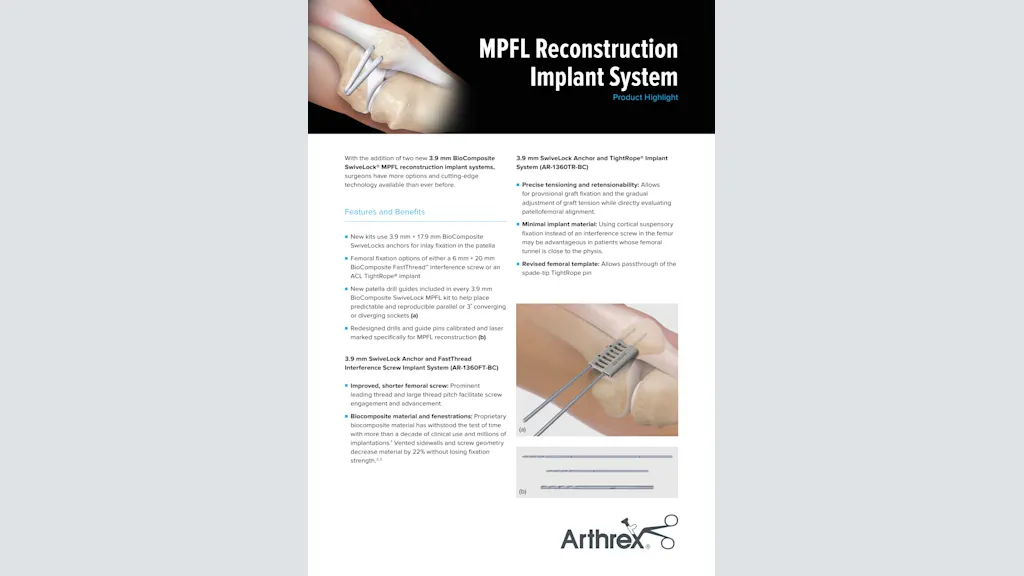
MPFL Reconstruction  Implant System
MPFL Reconstruction Implant System
English | 06/17/2021 | DOC1-000531-en-US A

Case Presentation Videos (1)

Inlay vs Onlay for Knee Repair Surgery: What Does the Data Tell Us?
Asheesh Bedi, MD
26:15 | English | 01/28/2025 | VID1-006899-en-US C

Catalogs (1)
Knee: Next Generation in Repair and Reconstruction
English | 12/26/2024 | LB1-0115-en-US AD

Presentation Videos (4)

MPFL Reconstruction
Patrick A. Smith, MD
22:40 | English | 03/03/2025 | VPT1-00360-EN A
MPFL with AMZ and Cartiform® Viable Osteochondral Allograft
Brian J. Cole, MD, MBA
05:23 | English | 07/31/2017 | VID1-00926-EN A
MPFL Reconstruction and Trochleoplasty Presentation
Philip Schöttle, MD, PhD
17:59 | English | 09/23/2014 | VPT1-00269-EN A
MPFL Reconstruction
Patrick A. Smith, MD
23:00 | English | 10/23/2013 | VPT1-0041-EN A

Product Demonstrations (1)

MPFL Graft Preparation Using FiberLoop® SutureTape
J. Lee Pace, MD
10:54 | English | 12/09/2022 | VID1-003666-en-US A

Scientific Updates (1)

Inlay vs Onlay Meniscal Repair and Ligament Reconstruction
English | 01/16/2025 | DOC1-001585-en-US A

Surgeon Newsletters (1)

Scope This Out Volume 27, Number 1
English | 03/02/2026 | LN1-000660-en-US A
Customer ServiceinfoLatex Informationinfo