Tenodesis

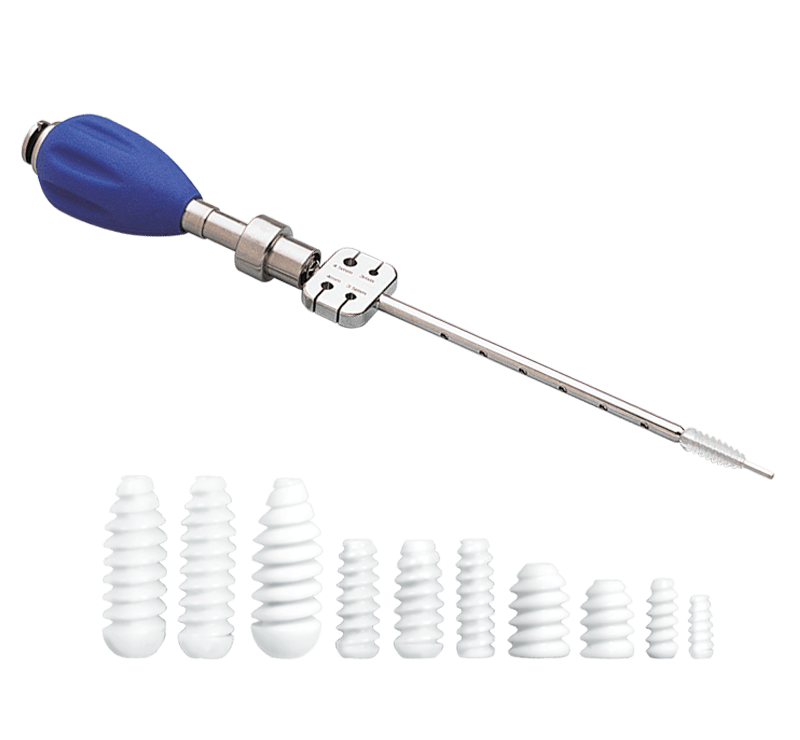
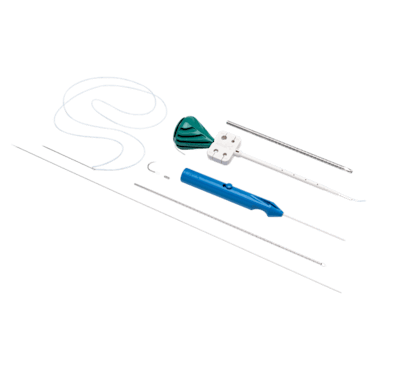
The Tenodesis Screw System eliminates transosseous tunnels in tendon repairs and ligament reconstructions. Tenodesis screws may be used in conjunction with #2 or 2-0 FiberWire® or FiberLoop® sutures to facilitate intraoperative tissue tensioning and fixation in a predrilled socket. The predrilled socket minimizes incision length, dissection, and overall morbidity.1 BioComposite or vented PEEK screw insertion provides superior and immediate fixation for foot and ankle indications such as Achilles repair, FDL and FHL tendon transfers, and lateral ligament stabilization.2-4 The system can also be used for applications in the hand and elbow (UCL, LRTI, distal biceps) and the shoulder (rotator cuff repair, proximal biceps), as well as for collateral ligament repair, reconstruction, and secondary graft or suture fixation for ACL/PCL reconstruction. This construct allows for direct tendon-to-bone healing, without hardware prominence.

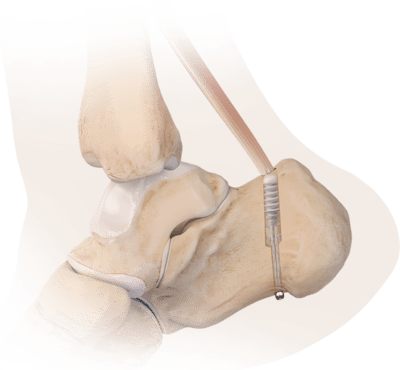
In addition, the tension-slide technique with the FDL and FHL Implant Systems can be used for FDL and FHL anterior tibialis and posterior tibialis tendon transfers. Using cortical button fixation and a tenodesis screw allows for maximum tendon-to-bone contact, a low-profile fixation, and the ability to independently tension the graft, with less need for long tendon harvest and less dissection.

References

1. Benca E, Willegger M, Wenzel F, et al. Biomechanical evaluation of two methods of fixation of a flexor hallucis longus tendon graft. Bone Joint J. 2018;100-B(9):1175-1181. doi:10.1302/0301-620X.100B9.BJJ-2018-0100.R2.

2. Arthrex, Inc. Data on file (APT 1629). Naples, FL; 2010.

3. Arthrex, Inc. Data on file (APT-01322). Naples, FL; 2009.

4. Arthrex, Inc. Data on file (APT 3265). Naples, FL; 2017.

View More

The Tenodesis Screw System eliminates transosseous tunnels in tendon repairs and ligament reconstructions. Tenodesis screws may be used in conjunction with #2 or 2-0 FiberWire® or FiberLoop® sutures to facilitate intraoperative tissue tensioning and fixation in a predrilled socket. The predrilled socket minimizes incision length, dissection, and overall morbidity.1 BioComposite or vented PEEK screw insertion provides superior and immediate fixation for foot and ankle indications such as Achilles repair, FDL and FHL tendon transfers, and lateral ligament stabilization.2-4 The system can also be used for applications in the hand and elbow (UCL, LRTI, distal biceps) and the shoulder (rotator cuff repair, proximal biceps), as well as for collateral ligament repair, reconstruction, and secondary graft or suture fixation for ACL/PCL reconstruction. This construct allows for direct tendon-to-bone healing, without hardware prominence.

In addition, the tension-slide technique with the FDL and FHL Implant Systems can be used for FDL and FHL anterior tibialis and posterior tibialis tendon transfers. Using cortical button fixation and a tenodesis screw allows for maximum tendon-to-bone contact, a low-profile fixation, and the ability to independently tension the graft, with less need for long tendon harvest and less dissection.

References

1. Benca E, Willegger M, Wenzel F, et al. Biomechanical evaluation of two methods of fixation of a flexor hallucis longus tendon graft. Bone Joint J. 2018;100-B(9):1175-1181. doi:10.1302/0301-620X.100B9.BJJ-2018-0100.R2.

2. Arthrex, Inc. Data on file (APT 1629). Naples, FL; 2010.

3. Arthrex, Inc. Data on file (APT-01322). Naples, FL; 2009.

4. Arthrex, Inc. Data on file (APT 3265). Naples, FL; 2017.

View More
Tenodesis Screw
Tenodesis Screw
The Tenodesis screw may be used in conjunction with #2 or 2-0 FiberWire® suture to facilitate intraoperative tissue tensioning and fixation in a predrilled socket. The predrilled socket minimizes incision length, dissection, and overall morbidity. BioComposite, vented PEEK, or titanium Tenodesis screws provide superior and immediate fixation for foot and ankle indications such as Achilles repair, FDL or FHL tendon transfers, and lateral ligament stabilization. The Tenodesis Screw System can also be used for applications in the hand (LTRI), elbow (UCL, distal biceps), and shoulder (rotator cuff repair, proximal biceps), as well as for collateral ligament repair, reconstruction, and secondary graft or suture fixation for ACL or PCL reconstruction. This construct allows for direct tendon-to-bone healing, without hardware prominence.
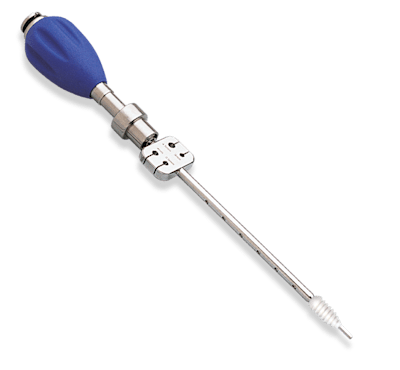
When used in conjunction, the Tenodesis Screw System and complementary Tenodesis screws eliminate transosseous tunnels in tendon repairs and ligament reconstructions by simplifying tissue fixation in the bone socket while maintaining tension of the tissue throughout fixation. A specially designed, retracting screwdriver with an extended tip tensions the graft near the base of the socket while a unique outer sleeve delivers the Tenodesis screw as the extended driver retracts. This technique is ideally applicable for biceps tendon and collateral ligament repairs. The graft-passing suture holes in the cannulated screws can be used to incorporate anti-slippage mulberry knots at the distal end of the screw. The suture ends can be tied over the screw at the completion of the procedure to provide additional backup fixation, if desired.